|
|
Kalamata Olive Paste
This is the most delicious paste that pairs nicely with a glass of red wine. Olives are high in fibre, iron and copper, and they are low in cholesterol. If you are on a sodium –restricted diet you may want to avoid olives because they are high in salt.
Kalamata Olive Paste
Ingredients:
2 cups pitted Kalamata olives
3 Green onions
1 or 2 Garlic cloves
Your ads will be inserted here by Easy Plugin for AdSense. Please go to the plugin admin page to
Paste your ad code OR
Suppress this ad slot. Dash of balsamic vinegar
Dash of white sugar
Dash of lemon juice |
Directions:
Place all ingredients in a blender and blend until paste forms. You will need to scrape down the sides once in a while. You may have to add more or less lemon juice to get the right consistency.
Serve with crackers. It will keep in the fridge for up to 5 days.
How to Prevent a Heart Attack
If you want to know how to prevent a heart attack, then you must know what causes heart attacks, who are at risk of a heart attack, what the signs and symptoms are, and how to prevent a heart attack by watching your lifestyle, diet and environment.
Causes of a Heart attack
If blood flow to a part of the heart muscle becomes blocked, then a heart attack may occur. If the blood is blocked for a longer period of time, then that part of the heart that isn’t receiving enough oxygen will die. A heart attack most frequently occurs as a result of coronary artery disease (plaque build up in the major arteries and consequently blood clots form). It can also be caused by micro vascular disease (affecting the microscopic blood vessels), and less frequently, by a spasm of a coronary artery.
How to Prevent a Heart Attack- Know the risk factors
You can learn how to prevent a heart attack by controlling your risk factors. Most of the risk factors can be within your control.
The guidelines on what is a safe blood pressure vary greatly. The confusion is due to how many complicating factors are you experiencing. If you have diabetes and a high blood pressure, for example, your risk increases. Manage your blood pressure with daily exercise, a sodium reduced diet, and proper weight control, and if necessary, medication.
This is mainly controlled through a low fat (especially a low Tran’s fat diet) and exercise and possibly medication.
Your ads will be inserted here by
Easy Plugin for AdSense.
Please go to the plugin admin page to
Paste your ad code OR
Suppress this ad slot.
If your body fat is greater than 25% for males and 30% for females of your total body weight, then you are considered obese. Obesity leads to coronary artery disease which leads to heart attacks. Obesity is really a direct result of ingesting more calories than you are burning.
Monitor your blood sugars and control your diet and manage your insulin (if required).
Exercise at least 30 minutes every day.
- Smoking:
- Smoking increases the likelihood of death from heart attack 2 -3 fold.
How to prevent a heart attack- know the warning signs
There are several warning signs of an impending heart attack. Know how to prevent a heart attack by paying attention to these signs:
- Pain, pressure, squeezing, fullness, or pain in the center of the chest. These symptoms may come and go, or they may last more than several minutes.
- Pain in one or both arms, back, jaw, neck and/or stomach.
- Shortness of breath
- Some people experience nausea, vomiting, lightheadedness or fainting, or they break into a cold sweat.
Heredity as a risk factor
Heart attacks are still the leading cause of death in both men and women. In determining your family history it is important to know the age of your ancestors when they first experienced a heart attack. If you have a family history of early (age 55 for men, 65 for women) heart disease, then you are at a greater risk of developing a heart attack yourself and you’ll definitely want to know how to prevent a heart attack.
You may ask yourself, how to prevent a heart attack if your family history puts you at risk? Then, it is of utmost importance that you follow everything you can on how to prevent a heart attack by lowering or eliminating the controllable risk factors.
How to Prevent Cancer
The media frequently pours out new information on how to prevent cancer or the causes of cancer, and then later dismisses the advice. It is confusing for the average person to know what the truth is on how to prevent cancer. Only scientifically proven information will be discussed in this article on how to prevent cancer.
The scientific evidence states that 80% of all cancers are caused by identified factors: 30% is caused by smoking; 35-50% is caused by the food we eat. This scientific evidence is backed up by the National Cancer Institute. Knowing these risk factors and doing something about it is the best way to know how to prevent cancer.
How to prevent cancer-diet
Certain foods contain higher amounts of nutrients and chemical substances that our bodies need in order to delay or prevent some cancers. Knowing which foods are anti-carcinogenic will help you know how to prevent cancer.
How to prevent cancer- Eat fruits and vegetables
This is first on the list because it is probably the most important. They contain hundreds of ingredients including vitamins and minerals, fiber and phytochemicals. Dark colored fruits and vegetables have a pigment that is called Carotenoids and these have been scientifically proven to help prevent cancer.
The substance present in dark green and yellow vegetables is called beta-carotene, a known anti-carcinogencic. Equally healthy are vegetables such as broccoli, cabbage, kale, turnips, cauliflower, and Brussel sprouts. Vitamin C helps neutralize cancer-causing chemicals.
How to prevent cancer- High fiber diet
Grains and dry beans are good sources of fiber, minerals, vitamins and other plant compounds.
Whole grains contain selenium which also fights cancer. Countries with diets high in fiber have fewer cases of cancer. Fiber moves through the digestive tract quickly, helping the body to get rid of carcinogens. It’s important for the prevention of breast cancer because the fiber helps to move the estrogen out of the body more quickly.
You can get your fiber from whole grains, lentils, beans, fruit and vegetables. If you know how to prevent cancer in your diet, and you still aren’t getting enough fiber, you may want to consider taking a supplement.
How to prevent cancer- Reduce fat in your diet
Scientific evidence shows that cultures with higher fat diets have a higher cancer rate. Animal fat is more deadly than vegetable fat. Fat increases hormone production and therefore increases the chances of some types of cancer. It also increases the bile production in the body which increases the chance of colon cancer.
How to prevent cancer-reduce/ eliminate toxins from your life
How to prevent cancer- Reduce or avoid alcohol and avoid smoking
It’s very simple: excessive alcohol intake increases the risk for breast, mouth, pharynx and esophagus cancers. If you smoke and drink, then your risk multiplies. Lung cancer is the leading cause of cancer deaths and most of these cancers (80-90%) are directly linked to smoking. Knowing how to prevent cancer by quitting smoking is well known and documented.
How to prevent cancer- Reduce exposure to toxins
When our bodies are exposed to toxins they eliminate these toxins through our kidneys, liver, cardiovascular system, lungs, bowels and skin. Toxins damage our cells and rob our bodies of oxygen. Toxins are everywhere and they are hard to avoid, but if you want to know how to prevent cancer, then you’ll need to reduce your exposure to these toxins.
While the methods mentioned in this article is great advice on how to prevent cancer, following the advice to the letter doesn’t guarantee that you won’t get cancer. It will decrease the likelihood that you will, and/ or decrease the likelihood that you’ll die from cancer. Knowing how to prevent cancer is your first line of defense, and the second is trying your best to follow these recommendations on a daily basis.
How to Prevent a Stroke
It’s important to know the causes of a stroke in order to know how to prevent a stroke. The most common cause of a stroke is a blockage of a blood vessel in the neck or the brain resulting in the death of brain cells due to the lack of oxygen to that area. This is caused by a stationary clot (stroke caused by a thrombosis) or a clot that moves from another area of the body to the neck or brain (stroke caused by an embolism).This type of stroke is called an ischemic attack and accounts for 80% of all strokes.
The other 20% of strokes are caused when the blood circulation to the brain fails. This type of stroke is caused by bleeding in the brain.
A stroke can result in death, but it can also result in paralysis to parts of the body (the parts fueled by that portion of the resulting dead brain cells). A stroke often affects the person’s speech, or one side of the person’s body. This paralysis can be temporary or permanent, depending on the severity of the stroke and the person’s recovery from the stroke through therapy.
Your best bet in knowing how to prevent a stroke is by knowing the risk factors:
| How to prevent a stroke: |
| Controlling your blood pressure |
stop smoking |
Improve your diet |
| Control your diabetes |
Exercise |
Reduce your cholesterol |
| Family History* |
Advanced age* |
|
| *The only factors out of your control when knowing how to prevent a stroke |
Smoking: Smoking builds up fatty tissues in the main artery in the neck which may result in a stroke. If you’re a chronic smoker you’ll want to talk to your doctor about the possible programs and medications available today. Smoking decreases the amount of oxygen in your body which further complicates the outcome of the stroke. If you are a smoker and you really want to know how to prevent a stroke- quit smoking immediately!
High Blood Pressure: Depending on how high your blood pressure is, you may want to talk to your doctor about anti-hypertensive medications to reduce your risk of getting a stroke. Adding a daily low dose of aspirin has been shown to decrease your blood pressure and your stroke risk. You’ll need to talk to your doctor about this. Daily exercise will definitely improve your blood flow, the state of your arteries, your blood pressure and therefore your chances of getting a stroke. How to prevent a stroke- lower your blood pressure!
Not Exercising: Exercise is important not just for reducing your chances of getting a stroke, but for your general health as well. Daily exercise, at your fitness level- whatever that is- even if it means taking a daily short walk will decrease your chances of getting a stroke. How to prevent a stroke- exercise!
Diabetes: The body’s inability to use sugar properly affects the blood vessels and causes destructive changes that may result in a stroke. It’s important to control your diabetes through proper diet, exercise and possibly medication as prescribed by your doctor. How to prevent a stroke- control your diabetes!
High Cholesterol: High cholesterol causes your blood vessels to work improperly and can cause blockage resulting in a stroke. Proper diet- decreasing the Trans fats you ingest- will improve your cholesterol, and so will medication prescribed by your doctor. How to prevent a stroke- lower your cholesterol!
The only two risk factors of stroke-prevention listed in the chart above that aren’t under your control are your family history and your age. You obviously can’t do anything about the aging process. If one or both of your parents or siblings died from a stroke, you’re at a greater risk of having a stroke yourself. In this case you’ll definitely want to know how to prevent a stroke focusing in on the factors that you can do something about. Knowing how to prevent a stroke is your first method of defense.

There are certain techniques and strategies that you can do in order to learn how to improve your memory.
The more frequently we repeat an action, the more dendrites in the brain grown and connect to new and to old memories. Eventually you will teach your brain how to improve your memory by beginning a sequence which results in all the remaining pieces falling into place. Because you are doing these actions by repetition, it allows you to do many activities on a daily basis without having to think about them.
Techniques and strategies can be used to keep you interested in what you are trying to commit to memory, and this helps you to move information from temporary working memory into memory storage. Using these techniques and strategies will teach you how to improve your memory by activating multiple senses and connecting new information to multiple brain pathways into your memory bank. Successful brain-based techniques and strategies build more connections and stronger circuits.
Techniques and Strategies
* Brain mapping: This technique is based on the principle that certain brain activities take place in predictable, tiny regions of the brain. Each of these locations is fed data from brain centers that collect information from the senses and emotions in the rest of the body. How to improve your memory: The working memory is built through a variety of activities and these help stimulate multiple sensory intake centers in their brains. Multiple pathways lead to the same memory storage box. Therefore, more brain connections are available when one needs to recall a memory. For example, if you practice memorizing something by using both your sight and your hearing, then you can recall that information later by sight or sound.
* Mnemonics: There are many techniques and strategies to improve your memory through using memory clues. How to improve your memory:
A) Put information into separate boxes in your brain. A phone number is remembered in blocks of three, three and four. Your brain has an easier time of processing information this way.
B) Remember information by having each letter of a word stand for something else. For example, if your license plate starts with DWP, you can remember it by saying “down with pollution.”
C) Rhymes and alliteration. You might remember your divorce lawyer’s name by saying to yourself, “Mary Mary quite contrary.”
D) “Method of loci.” You can learn how to improve your memory and remember longer amounts of material by associating each part of what you have to remember by using landmarks in a familiar route. For example, your first paragraph in your speech may have to do with unhealthy food, so you remember the fast food restaurant on your way to work; the next paragraph is about the healthy food you should be eating, so you think about the next landmark which is a body of water which you associate with fish, and so on.
* Exercising your Brain: First of all you must pay attention if you want to learn how to improve your memory. If you haven’t processed the information, you won’t be able to retrieve it. You should relate the information to what you already know and build from there. Over-learn the information and learn it again at a later date. Always stay motivated.
* Break your routine: The brain processes information more deeply if it is new sensory stimulation. At these times, the brain is fully engaged and new pathways are developing. This keeps the brain strong. How to improve your memory: Try to do your usual routine in a different way so that your brain doesn’t become lazy. This means you shouldn’t just learn more of what you already know, instead you should throughout your life, take on completely new challenges. Learn a new language, or start playing the piano for example.
Using these techniques and strategies, you can learn how to improve your memory. When you keep your brain active, learn things in new ways and stay attentive you can teach your brain how to improve your memory.

Your personal success in life largely depends on how you define success in life and what you are willing to do in order to achieve success in life. Though a lot of people may perceive attaining success in career as success in life, it is important to note that this alone does not guarantee having success in life. If you have a young family and you’re midway through your career, there are many other more important things which you must juggle to better guarantee your chance of success in achieving a happier life.
Having success in life often means managing your finances so that you can relax and enjoy your family life. Investing wisely is important, especially when you are young.
Invest Wisely
Having a healthy financial nest egg is essential to ensuring success in life. It certainly isn’t the only thing in life, but it is the basis for feeling safe and secure.
* Strive to pay off your debts, especially the ones with a high interest rate such as credit cards. There is good debt and bad debt. Good debt is things you own that don’t depreciate and only grow in value such as your house and your investments. Bad debt is things you have bought that only depreciate over time such as electronics (although some of them are necessary to do your job), cars, and toys.
* Invest in RRSP’s and the tax savings you receive you can reinvest or pay off your debts.
* Stop spending foolishly such as $20 here, $40 there on stuff you don’t need. Be wise, go to garage sales for your kids’ toys (they will only use them for a few years at best) and eat in restaurants and fast food counters only occasionally. Your pocket book and your health will thank you.
* Talk to an investment advisor and find an investment portfolio that works for you. If you are younger, you can have a low percentage of your investments in higher risk stocks, but the majority should be in blue chip stocks that are relatively safe. Once you have a portfolio set up for you, stick with it, don’t get too emotional when the market rises and falls. Don’t panic and sell everything. By the time you retire, you will have made a good profit.
* Diversify your investments so that you are spreading out your risk. In other words, don’t have all your eggs in one basket.
* Don’t rent if you can buy. If you buy your property then you will see a return on your investment.
* Do not dismiss insurance as unimportant. There are many plans that suit your different needs and the pay-out lump sum can come handy in rainy days, whether it is a life insurance or an endowment plan. In the long term, it can actually benefit your family and yourself.
* Have some of your investment money accessible should you need it in a crunch. Don’t lock everything away. You will need a few thousand dollars on hand should your car break down or your furnace die on New Year’s Eve.
Spend time with family
When we are mid-career we sometimes neglect the needs of our family. We may forget to enjoy our children and we forget that they are an integral part of our success in life. We may see them as a nuisance or an expense. Couples need time together and sometimes it is hard to squeeze in that time. However, so do the children. Success in life depends on how you spend your time. Kids don’t want to be interrogated every time we see them. They don’t want to be pushed out the door, and shoved into bed. They not only want, but they need play time, fun time, time to laugh with you. Take vacations with the children so that you can truly enjoy each other, and deepen the relationship so that when the difficult teen years hit, you will have a solid relationship to fall back on. When people get older and reflect on their success in life, they usually regret not spending enough time as a family. Success in life depends on how much time you spend with your family.

Aromatherapy
Aromatherapy uses essential oils that are made from plant materials. It is used in the prevention and treatment of diseases. It is also used to improve a person’s mood, brain function or general health.
Aromatherapy uses
Aromatherapy is performed by an aroma therapist. Nurses, doctors, massage therapists and chiropractors may also use aromatherapy in their practice. Nurses may use aromatherapy in anxiety /depression, pain management and even to improve function for those suffering from Alzheimer’s disease. Some essential oils may be used in mouthwashes and rubbing ointments that one can purchase as an over-the-counter product.
Aromatherapy has often been used in the treatment of infectious diseases because some of the essential oils have antimicrobial properties.
Aromatherapy-origins
Aromatherapy originated in France, and they often included it in conventional medicine. Doctors may prescribe aromatherapy as part of the recommended treatment. In the United States aromatherapy is mostly used as massage oil and as a fragrance.
Aromatherapy-methods of application
- As a fragrance to disinfect the air
- To apply to the skin directly through baths, massages, compresses, skin care
- To inhale for respiratory disinfection and decongestion, psychological benefits
- Ingestion
Aromatherapy-the way it works
Aromatherapy uses essential oils to affect the brain through the sense of smell, and it also has direct pharmacological benefits when applied to the skin. Some of the oils can be ingested. Through the sense of smell they activate the limbic system and the emotional systems in the brain. Through the skin they activate the receptors in the skin and kill microbes and fungi. Through ingestion they can activate the circulatory system.
Aromatherapy-popular essential oils and some of their uses
- Basil is used to lift depression, relieve headaches and migraines and to improve sexual function.
- Bergamot is used to improve function of the urinary tract and the digestive system and cold sores.
- Black pepper is used to ease muscles aches and stimulates circulation which may assist in the healing of bruises.
- Citronella oil is used as an insect repellant.
- Eucalyptus oil provides relief for the symptoms of colds and flu.
- Jasmine oil is known as an aphrodisiac.
- Lavender oil is used as an antiseptic, as a relaxant for sleep disorders and to ease headaches and migraines.
- Tea tree oil is used as an antiseptic and a disinfectant.
- Yarrow oil helps relieve joint inflammation and relieve symptoms of the cold and flu.
Aromatherapy-Precautions
Even though essential oils are relatively safe to use in the practice of aromatherapy, it is still important to be careful about the adequate dosage for your size and weight. Also, pregnant and lactating women should take extra precautions. Essentials oils and aromatherapy may interfere with other prescribed medication you are taking through conventional medicine.
The price of essential oils vary greatly depending upon the country of origin, the type of extraction used, the harvest, and how desirable the oil is. It also greatly depends on whether or not the essential oil is “pure”. Usually the oil is extracted and then repressed or thinned out with an added substance. The more substance that is added, the less expensive (and less effective) the aromatherapy treatment should be.
The type of pain therapy you choose has a lot to do with your history with the pain you’re experiencing, the location, the intensity, whether it’s chronic or acute, and whether it’s a sign that something else is going wrong. This article will discuss some of the more poplar types of pain therapy.
First and foremost when considering pain therapy is your collaboration with your family physician so that he/she can rule out any other conditions which may require other specific treatment. For example, if you have cancer, then most of the pain therapy methods mentioned in this article may help somewhat in reducing the pain, but you’ll still have to treat the underlying cause through possible surgery, chemotherapy, medications, and/or radiation. Pain in the chest may signal an impending heart attack, and pain therapy will not help, nor is it advisable-taking your mediation and getting to the hospital is. In these cases, reducing the pain through pain therapy isn’t your only concern.
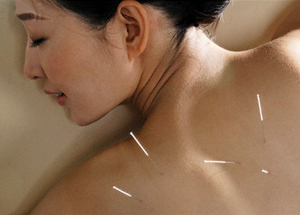
*Acupuncture as pain therapy: It is a process of inserting tiny needles into specific points (the meridian line or “life energy”) in the body which relieves pain for therapeutic pain therapy purposes. It originated in China. The general agreement is that the procedure is safe. If you are using this pain therapy method, and you are experiencing relief, then it may be the right pain therapy method for you.
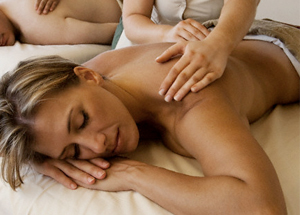
*Massage Therapy as pain therapy: There are several different types of massage therapy and they all perform different functions. Swedish massage reduces emotional and physical stress. Neuromuscular massage restores balance of the autonomic nervous system. Lymphatic massage detoxifies the body and boosts the immune system. Shiatsu massage relieves blockages in the meridian pathways by massaging vital pressure points. Massage therapy is especially effective form of pain therapy if the cause of the pain is muscle tension due to stress, an accident or a poor posture.
*Reflexology as pain therapy: Certain points on parts of the body, often the feet, are manipulated and massaged. These points are said to be directly related to and affect corresponding internal organs. In order for this pain therapy to work you must tell the reflexologist exactly where the pain is, and she will massage the corresponding point.
*Chiropractor as pain therapy: This chiropractor will do a complete assessment of you and mark down all the areas of pain that you are experiencing. She/he will manipulate/massage and adjust your body so that the alignment is restored and all your organs are functioning properly again.
*Magnetic therapy as pain therapy: Magnetic therapy can be an effective form of pain therapy. Certain parts of the body are subjected to static magnetic fields improving blood flow, reducing inflammation, and promoting healing. For safety reasons, magnetic pain therapy should not be used by pregnant women or anyone with an implanted electro-medical device. It’s a relatively inexpensive and readily available form of pain therapy.
Pain therapy is very individual. It depends on your personal preference, tolerance, and how you’re experiencing the pain in order to determine which pain therapy is right for you.
Acupuncture Therapy is an ancient art of pain relief that is still being used today. Millions of Americans have turned to acupuncture therapy in just the last 40 years. Acupuncture therapy was passed down to us from the Chinese who are still skilled at the art.
The Chinese perfected a way of changing the energy flow in the human body with acupuncture therapy. The tiny needles are inserted in the body to channel energy flow and help heal the body.
The human body has what are called channels known as meridians. These are branches or lanes leading to organs. If an organ is not functioning properly, acupuncture therapy has been successful in re-channeling energy and promoting healing.
The World Health Organization (WHO) has found acupuncture to be effective for the treatment of almost every condition that attacks the human body. Acupuncture therapy is an effective way to treat allergies that are among the most common disorders people suffer with. Nearly two in 10 people suffer from some sort of allergy. It is one of the main causes of school and work absence. Many people with allergies have found relief from allergies along with gastrointestinal disorders, gynecological problems that millions of women suffer with each year. Acupuncture therapy has also been found to help people suffering with alcoholism and other substance abuses.
Headaches affect nearly every one of us. Many people have debilitating headaches that make it nearly impossible for them to function. Acupuncture therapy is a low cost way that has successfully relieved headache pain without high doses of medications or surgery.
Millions of Americans are suffering from arthritis. It causes joint pain and bone deterioration. Those living with rheumatoid arthritis can have crippling effects from the disease. Acupuncture therapy has relieved pain, restored circulation to the affected joints and restored energy resulting in an ease of movement. Osteoarthritis pain has been alleviated also.
Acupuncture therapy can be more successful when used before a condition reaches the point that heavy mediation or surgery is needed. Those suffering from AIDS or cancer need chemotherapy have been helped with acupuncture therapy. It is not meant to be used instead of Western treatments, but in addition to for relief pain.
Acupuncture therapy, as we now know it, was first used over 2,500 years ago in China and was called Nei Ching or The Yellow Emperor’s Classic of Internal Medicine. The Chinese have perfected acupuncture therapy, but it may have first started as an Asian therapy. The oldest text, discussing acupuncture, was found in a book entitled the Systematic Classic of Acupuncture, dated 282 A.D.
The art of shiatsu, acupressure massage and macrobiotics can be traced back to having roots in acupuncture. The Chinese use herbal remedies, dietary therapy, and lifestyle changes in addition to acupuncture.
Acupuncture therapy was introduced to America as late as the 1970s when Richard Nixon was the first president to visit China. In the early 1900s, Western physicians were fascinated with acupuncture therapy observed in China, but it was not accepted until the 1970s.
During Nixon’s visit, journalists observed surgery being performed on patients without anesthetics. The Chinese doctors were using the tiny acupuncture therapy needles to control the pain instead. The patients remained awake during the procedure. A journalist for the New York Times, James Reston, chose to undergo surgery and declined medication. The acupuncture therapy needles were used to control his pain. Acupuncture therapy became popular after he published a story describing his experience.
Acupuncture therapy is being used in all 50 states by over 9,000 doctors. As many as 4,000 doctors include acupuncture therapy with their practice. To date, over five million Americans have undergone acupuncture therapy.
The other forms of acupuncture used in America, in addition to the Chinese method, is Japanese acupuncture using thin needles and does not include herbal medicine. Auricular acupuncture therapy is used on the ears. Paul Nogier, a neurologist in France, developed a popular system based on neuroendocrine which is different than Chinese therapy. This method is also becoming popular in America.
You’re going to the gym on a regular basis (3 to 6 times a week) but you aren’t seeing the results you want because you aren’t incorporating muscle building foods into your diet.
No matter how many reps you do, and no matter how heavy the weights are, you just won’t build lean mass without adding muscle building foods, also known as a protein rich diet.
The very best muscle building foods are those that are full of protein, and these absolutely need to be added to your diet as well as the right amount of good quality complex carbohydrates (no junk food here), healthy fats and plenty of fresh vegetables and fresh fruit. Drinking plenty of water during the day can never be emphasized enough. Your body needs water to digest food and eliminate toxins. Avoiding processed food is essential to provide your muscles with what is necessary to build lean mass.
Working your biceps, triceps, gluteus, hamstrings, pectorals and quads without eating muscle building foods is like riding a bicycle without the chain-you’re not going anywhere.
How often to eat your muscle building foods
You’ll have to eat protein every 2 to 3 hours totaling 5 to 6 meals a day. You will want to have healthy and easy-to-eat muscle building foods on hand for those times when you can’t prepare food. And who has time to put together a decent protein rich meal every 2 to 3 hours? A great snack to have on hand is nuts and seeds.
Time of day to eat the most muscle building foods
You’ll want to eat your largest meal after your weight training session. This is the time in which your muscles are most in need of those healthy muscle building foods.
When to skip a meal or snack of muscle building foods
If you’re serious and determined to build lean muscle mass, then you won’t want to miss an opportunity to ingest muscle building foods.
How much protein/muscle building foods do our bodies require?
The amount of muscle building foods your body needs depends on your age, size, gender, activity level, and the amount of exercise you do. In general, you can estimate how much protein you need every day by multiplying your body weight in kilograms times .8. That result you’ll want to divide into 5 to 6 meals a day. You’ll need to add 1.5 to 2 grams of protein per kg of body weight on those days that you’re involved in heavy weight training.
A list of excellent muscle building foods
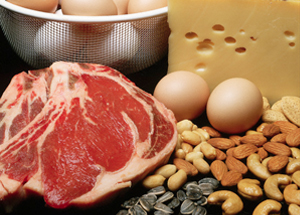
To give you an example of the portion sizes of muscle building foods, the food items listed all have approximately 8 grams of protein for comparison.
1 jumbo egg
1 cup of milk
1 cup of soy milk
1oz of most cuts of beef
¼ cup of most almonds and seeds
2 tbsp of peanut butter
½ cup of most beans
¼ cup of soy beans
¼ cup of cottage cheese
½-1 cup of yoghurt (depending on the brand)
3 slices of bacon
¾ oz of ham
1 ½ oz fish fillets
1 oz chicken
 |
Juice Up!
Suspendisse dapibus purus sit amet odio porttitor tempus. Quisque ut arcu felis. |
 |
Morning Sickness
Suspendisse dapibus purus sit amet odio porttitor tempus. Quisque ut arcu felis. |
 |
Bad medicines for liver
Suspendisse dapibus purus sit amet odio porttitor tempus. Quisque ut arcu felis. |
 |
Deppresion in teenagers
Suspendisse dapibus purus sit amet odio porttitor tempus. Quisque ut arcu felis. |
Prevention and Wellness
Control Diabetes in 5 months

Sugar Control
raesent ac nulla nisi, quis congue erat. Proin dolor metus, faucibus ac sollicitudin at, ullamcorper in neque. Class aptent taciti sociosqu ad litora torquent per conubia nostra, per inceptos himenaeos.
Sugar Control
raesent ac nulla nisi, quis congue erat. Proin dolor metus, faucibus ac sollicitudin at, ullamcorper in neque. Class aptent taciti sociosqu ad litora torquent per conubia nostra, per inceptos himenaeos.
Sugar Control
raesent ac nulla nisi, quis congue erat. Proin dolor metus, faucibus ac sollicitudin at, ullamcorper in neque. Class aptent taciti sociosqu ad litora torquent per conubia nostra, per inceptos himenaeos.





 How to Prevent a Heart Attack
 How to Prevent Cancer
 How to Prevent a Stroke